ChatGPT Ads: Transform Your Marketing Strategy Today

Understanding ChatGPT Ads: A New Frontier
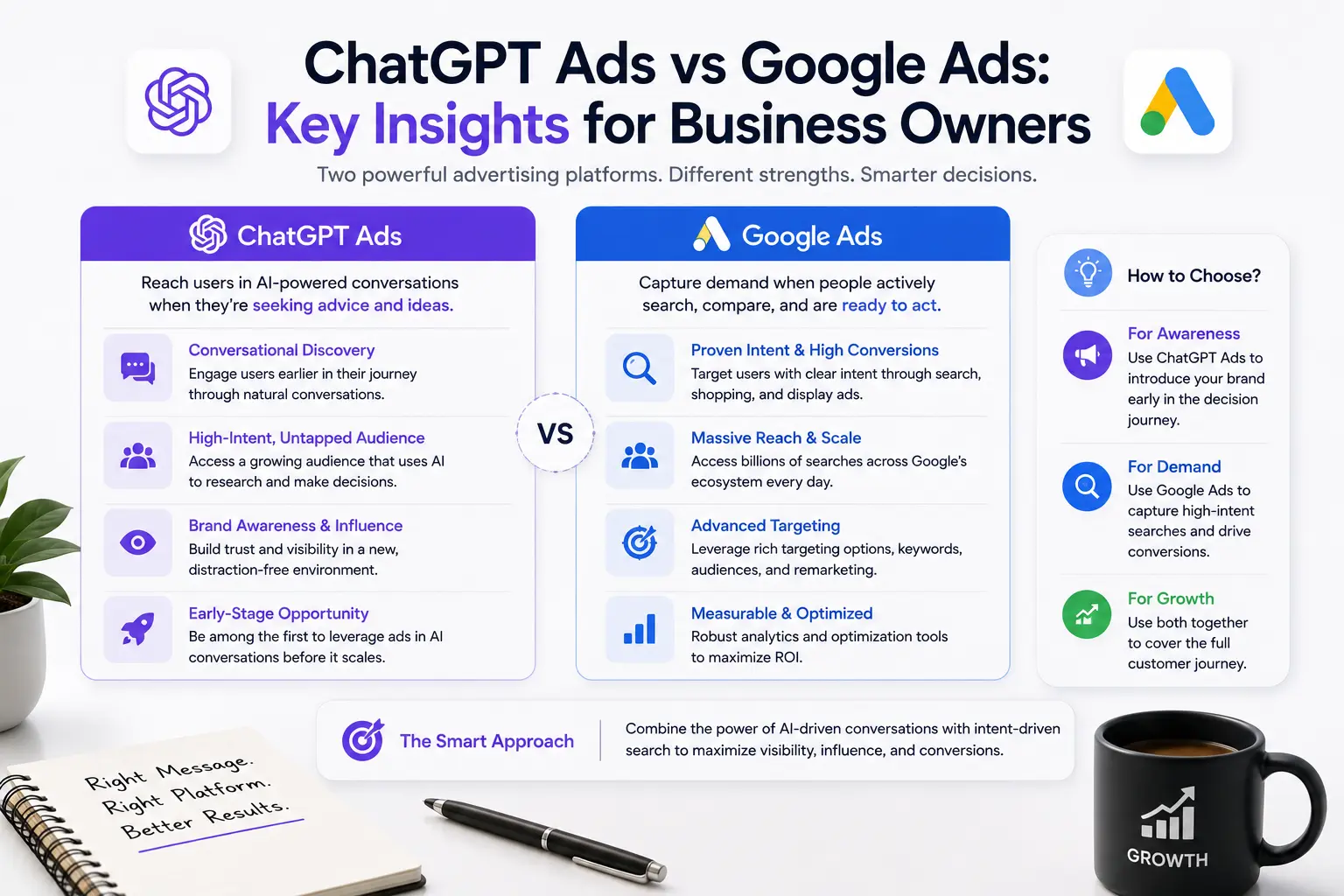
ChatGPT Ads represent a significant shift in how businesses approach advertising. Unlike traditional platforms such as Google or Meta, which rely heavily on keyword-based or interest-based targeting, ChatGPT Ads leverage AI-driven conversational capabilities to create more engaging user experiences. This is not just another advertising channel; it’s a unique opportunity to enhance your marketing strategy by integrating AI’s dynamic capabilities into your campaigns.
Treating ChatGPT Ads as a complementary channel is crucial. Businesses often mistakenly view new technologies as replacements for existing methods. However, the most effective strategy involves blending traditional advertising with innovative AI solutions to maximize reach and engagement.
Getting Started: Key Considerations Before Testing ChatGPT Ads
Before diving into ChatGPT Ads, businesses should consider several key factors. First, ensure you meet the eligibility requirements set by OpenAI, which may include account verification and adherence to content guidelines. The setup process is straightforward, but understanding the nuances of personalization and privacy controls is essential to maintain user trust.
Initial budget considerations also play a vital role. Unlike traditional ad platforms that may have fixed costs, ChatGPT Ads operate on a flexible cost structure, allowing businesses to tailor their spending according to campaign goals and performance metrics. Research indicates that businesses that allocate a clear budget for new ad channels see a 20% higher return on investment (ROI) in the initial testing phase compared to those that do not (StackAdapt).
Targeting and Engagement Strategies for B2B Marketers Using ChatGPT Ads
Effective targeting is one of the standout features of ChatGPT Ads. Businesses can leverage detailed audience insights to create highly targeted campaigns that resonate with specific buyer personas. For instance, using conversational ads allows for real-time engagement, where potential customers can ask questions and receive immediate responses, mirroring a human-like interaction.
A successful B2B campaign involved a software company that utilized ChatGPT Ads to engage leads by answering common queries about their products. This not only increased engagement rates but also improved lead conversion by 35%, showcasing the power of conversational marketing in a B2B context (The Spot for Pardot).
Measuring Success: Analytics and Performance Metrics for ChatGPT Ads
To assess the effectiveness of ChatGPT Ads, businesses must focus on key performance indicators (KPIs). Important metrics to track include click-through rates (CTR), engagement rates, and conversion rates, as these provide insights into how well your ads are performing.
Tools such as Google Analytics can be integrated with your ChatGPT Ads to measure ad performance effectively. Furthermore, adjusting your strategies based on analytics insights is critical. For example, if data reveals that a particular audience segment is responding well, reallocating budget toward that segment can enhance overall campaign effectiveness.
In conclusion, ChatGPT Ads present a compelling opportunity for businesses looking to innovate their advertising strategies. By understanding how to integrate this new channel with existing ones, you can position your brand advantageously in the evolving landscape of AI-driven marketing.
For those looking to stay ahead of the curve in AI marketing, I recommend signing up for my newsletter. You’ll receive a concrete resource to help you navigate the complexities of AI advertising and develop a robust strategy tailored to your business needs.